
sales@xingyufertilizer.com
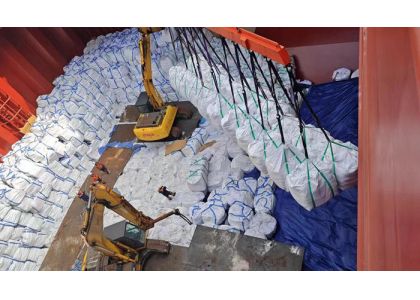
In the global chemical export industry, maintaining a transparent and proactive communication channel regarding logistics is vital for securing a resilient supply chain. Currently, the global shipping situation is experiencing severe disruption, presenting significant logistical hurdles for international trade. Understanding these volatile market dynamics is essential for both manufacturers and B2B buyers worldwide.

The primary catalyst for this instability stems from the ongoing geopolitical tensions in the Middle East, particularly the ongoing conflicts that have compromised vessel safety along key maritime corridors. Due to repeated security threats and drone attacks on commercial vessels in the Red Sea, major shipping alliances and vessel owners have been forced to suspend voyages through the Bab al-Mandab Strait and the Suez Canal—traditionally one of the world's most critical trade veins.
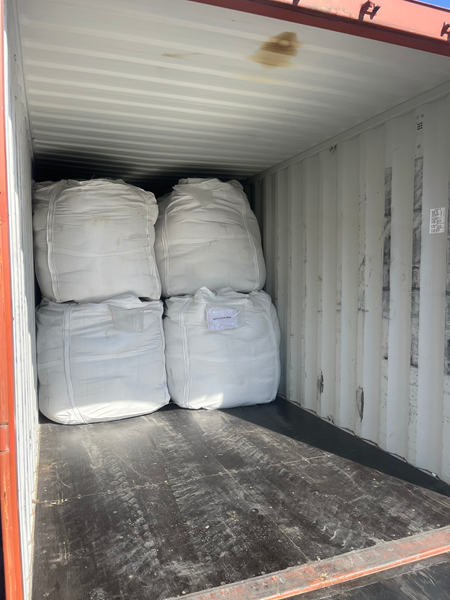
To safeguard crew members and valuable cargo, shipping lines are extensively rerouting vessels away from the Suez Canal, opting instead for the lengthy detour around the Cape of Good Hope at the southern tip of Africa. This massive logistical detour extends the maritime transit voyage by more than 20 days for routes bound toward Europe, the Mediterranean, and the North American East Coast.
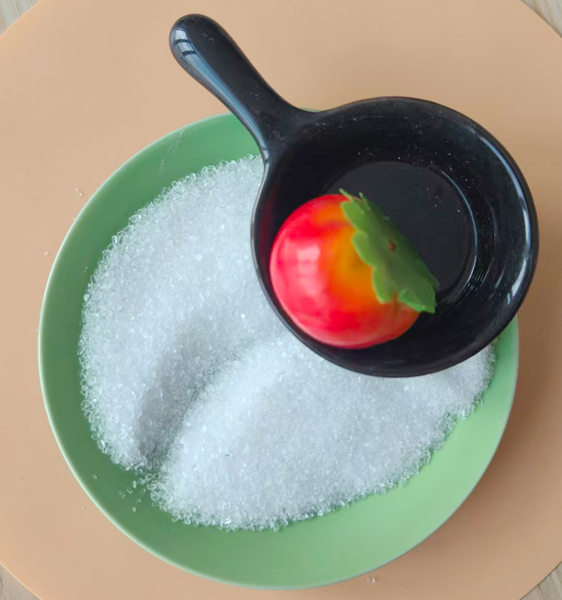
Consequently, this redirection has triggered a severe domino effect across the global freight ecosystem:
Unprecedented Freight Rates: Ocean freight rates on major global lanes have surged by over 100% due to increased fuel consumption and extended operational days.
Additional Surcharges: To offset these sudden overheads, maritime carriers have introduced various mandatory fees, including Peak Season Surcharges (PSS), Contingency Adjustment Charges (CAC), and Operational Recovery Fees (ORF). While these surcharges may seem burdensome, they represent the current unavoidable reality of ocean transport.
Container and Vessel Shortages: The prolonged turnaround time for vessels has tied up thousands of shipping containers at sea, leading to an acute shortage of empty equipment at major loading ports.
Industry analysts predict that this severe maritime congestion and elevated pricing environment will last for at least six months. As a dedicated chemical supplier, we are working tirelessly with our freight forwarding partners to secure shipping space and mitigate cost impacts for our premium magnesium chemical clients.
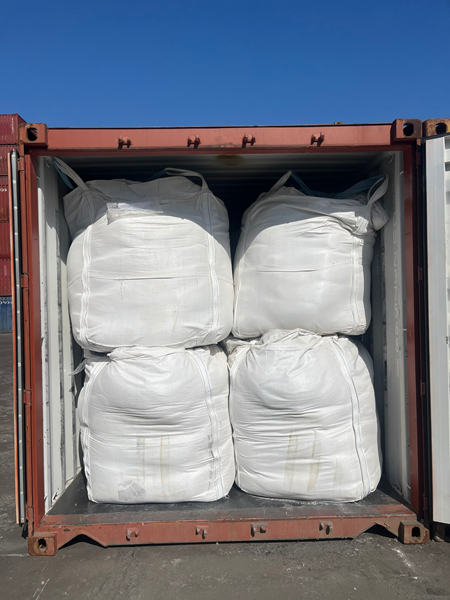
Given these ongoing logistical realities, we highly recommend that our global partners plan and arrange procurement orders well in advance. Extending your inventory lead time by 30 to 45 days will help shield your production lines from unexpected arrival delays. We deeply appreciate your mutual understanding during this extraordinary period and remain committed to navigating these complex global shipping challenges together.
Tianjin Xingyu Fertilizer Industry Co.,Ltd.,founded in 1993, it mainly produces magnesium sulphate heptahydrate, magnesium sulphate anhydrous and kieserite magnesium fertilizer. As a professional magnesium sulphate manufacturer, we had exported our magnesium sulphate fertilizer to all over the world, such as Southeast Asia market, South American market, African market and so on...Contact us: whatsapp: 008615522325133[ read more ]


